
What Is an Ergonomic Chair and Why a Traditional Office Chair May No Longer Be Enough?
Modern work life requires us to spend more time sitting than ever before. For many office workers, entrepreneurs, remote employees, and professionals, this means spending eight, ten, or even more hours each day in front of a computer. It is no surprise that search terms such as ergonomic chair, office chair for back pain, best office chair, and ergonomic office chair have become increasingly popular. For years, the conversation around office seating focused primarily on finding the correct sitting posture. While posture remains important, modern ergonomic research suggests that posture alone may not be enough.
The real challenge is often not simply how we sit—but how little we move while sitting.
This is why workplace ergonomics is increasingly focused on the concept of active sitting, an approach that encourages natural movement throughout the working day rather than keeping the body locked into a single position.
This principle is at the core of modern ergonomic seating solutions, including BIOSWING ergonomic office chairs.
What Is an Ergonomic Chair?
An ergonomic chair is designed to support the body’s natural posture while reducing physical strain during prolonged periods of sitting.
Unlike traditional office chairs, ergonomic chairs offer multiple adjustment options that allow users to tailor the chair to their individual body shape, height, and working habits.
Typical ergonomic features include:
- Adjustable seat height
- Adjustable backrest
- Lumbar support
- Adjustable armrests
- Seat depth adjustment
- Dynamic sitting mechanisms
The primary goal of ergonomics is not simply comfort. Ergonomics aims to create a healthier relationship between the human body and the working environment.
A properly designed ergonomic office chair can help:
- Reduce lower back pain
- Improve posture
- Support spinal alignment
- Minimize neck and shoulder tension
- Improve circulation
- Enhance concentration and productivity
However, modern ergonomics has begun to move beyond posture alone.
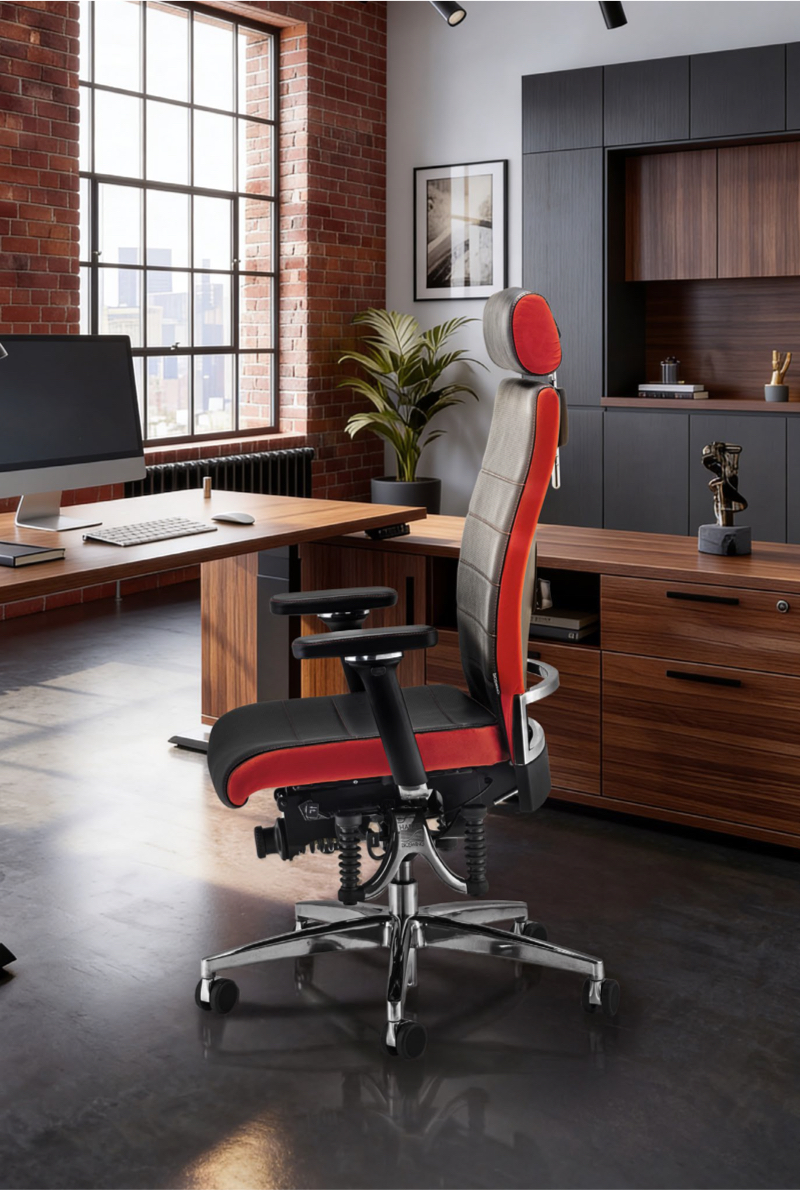
Why Does Prolonged Sitting Cause Health Problems?
The human body was designed for movement.
Walking, standing, reaching, bending, and changing positions are natural activities that keep muscles active and joints functioning properly.
When we remain seated for extended periods, several physiological changes occur:
- Muscle activity decreases
- Blood circulation slows down
- Pressure on spinal discs increases
- Core muscles become less active
- Joint mobility decreases
Over time, these factors can contribute to:
- Lower back pain
- Neck pain
- Shoulder tension
- Hip stiffness
- Headaches
- Fatigue
- Reduced productivity
Many people invest in a better office chair after experiencing discomfort. While this is often a good first step, a more important question should be asked:
Is the chair encouraging movement, or simply helping me remain in the same position longer?
Why Posture Alone Is Not Enough
For decades, office seating focused on helping users achieve one “perfect” sitting position. The assumption was simple: Find the correct posture and maintain it. Modern ergonomic research has challenged this idea. Even a good sitting position can become problematic if maintained for several hours without movement. The body benefits from regular changes in position and continuous low-level muscular activity. This shift in thinking has led many ergonomics experts to focus on a different question: How can we support movement while sitting?
The answer is active sitting.
Active Sitting vs. Static Sitting
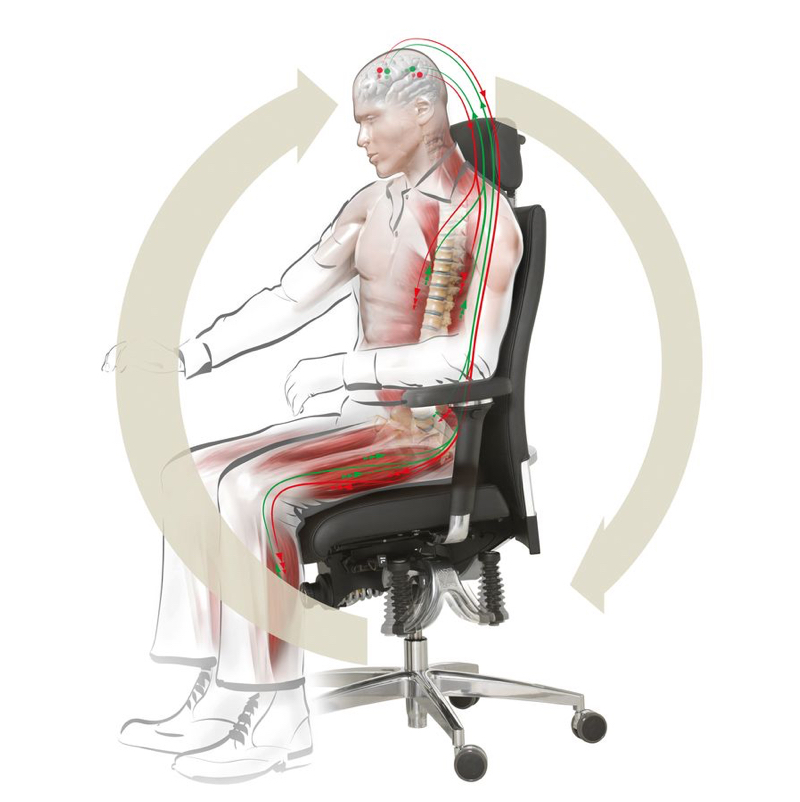
Active sitting refers to a seating concept where the body continuously performs small balancing movements while sitting. These movements are often subtle and may not even be consciously noticed by the user.
However, they can help:
- Activate muscles
- Improve circulation
- Encourage natural posture adjustments
- Reduce static loading on the spine
- Increase overall comfort during long working days
Static sitting, on the other hand, keeps the body locked in a relatively fixed position for extended periods. Even when posture appears correct, prolonged static sitting can still create physical strain. This is why many modern ergonomic seating solutions incorporate movement directly into the chair design. BIOSWING ergonomic chairs are built around this philosophy. Their patented 3D movement technology allows the body to perform natural micro-movements throughout the day, helping users remain more active even while seated. Instead of forcing the body to remain still, the chair works together with the body’s natural need for movement.
What Features Should a Modern Ergonomic Chair Have?
Adjustable Seat Height
Feet should rest flat on the floor while knees remain at approximately a 90-degree angle.
Lumbar Support
The chair should support the natural curve of the lower back.
Adjustable Armrests
Properly positioned armrests help reduce tension in the shoulders and neck.
Seat Depth Adjustment
The seat should support the thighs without putting pressure on the back of the knees.
Breathable Materials
Quality upholstery improves comfort during long working hours.
Dynamic Movement
Perhaps the most overlooked feature is the chair’s ability to support movement. The most advanced ergonomic chairs no longer focus solely on posture. They also support the body’s natural need for continuous micro-movement. This is one of the key principles behind BIOSWING office chairs and their unique movement technology.
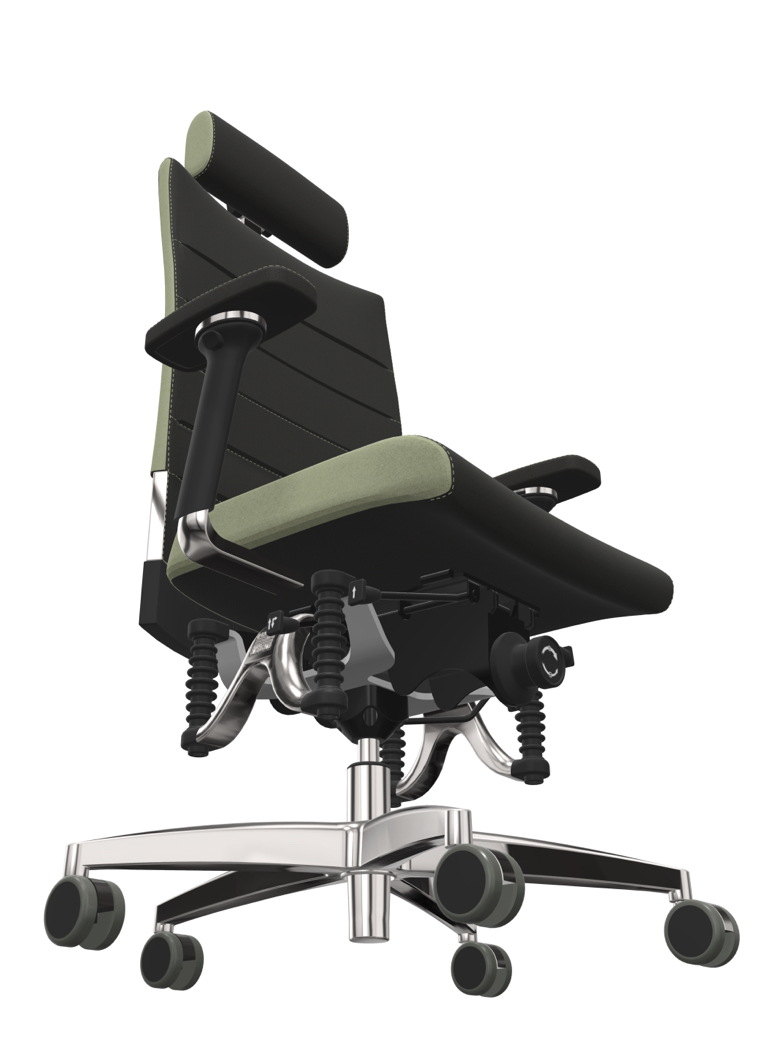
How to Choose the Right Office Chair
If You Work More Than Six Hours Per Day
Choose a chair specifically designed for long-term daily use.
If You Experience Back Pain
Look for chairs that combine lumbar support with dynamic movement.
If You Work From Home
Invest in a professional ergonomic chair rather than relying on dining chairs or outdated office furniture.
If Multiple People Use the Same Chair
Choose a model with extensive adjustment options for quick customization.
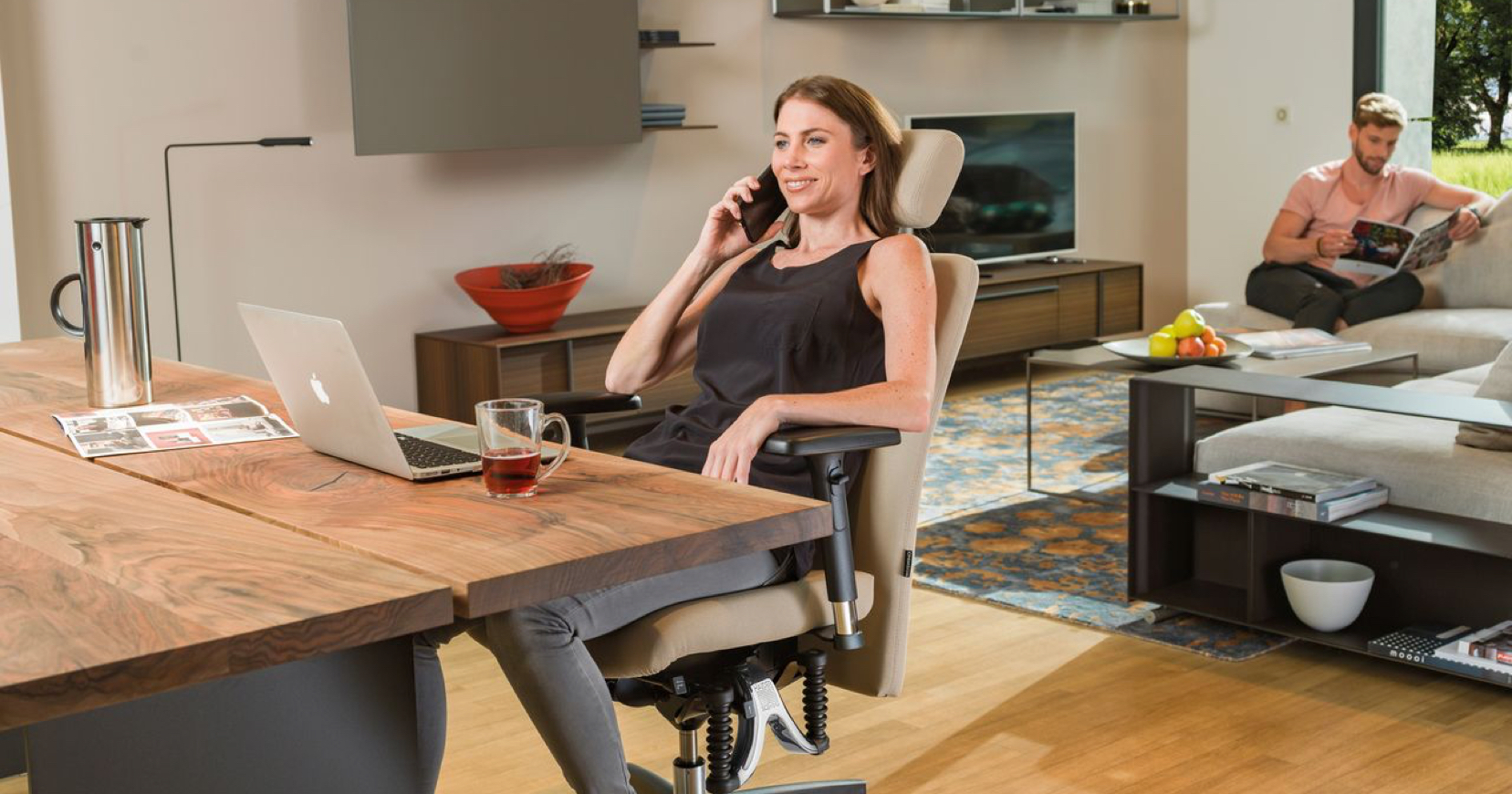
Ergonomic Chairs for Home Offices
Remote and hybrid work have transformed the modern workplace. Unfortunately, many home offices still rely on furniture that was never designed for full-time professional use. If you spend several hours each day working from home, your office chair becomes one of the most important tools in your workspace.
A quality ergonomic chair can help:
- Improve productivity
- Reduce fatigue
- Support healthy posture
- Improve comfort
- Reduce physical strain
Professionals who work extensively at a desk often choose ergonomic solutions that are also used in corporate offices, healthcare environments, and professional workplaces.
BIOSWING chairs were developed specifically for people who spend long periods sitting and want to support healthier, more active movement throughout the day.
Frequently Asked Questions
Is an expensive office chair always better?
Not necessarily. The most important factor is whether the chair fits the user and provides the adjustments needed for daily work.
Can an ergonomic chair help with back pain?
A properly selected ergonomic chair may help reduce discomfort associated with prolonged sitting. Persistent medical conditions should always be evaluated by a healthcare professional.
What is active sitting?
Active sitting is an ergonomic approach that encourages natural movement while seated instead of keeping the body fixed in one position.
Why is movement important while sitting?
Movement helps keep muscles active, improves circulation, and reduces static stress placed on the spine and joints.
Are BIOSWING chairs suitable for long working hours?
BIOSWING chairs are specifically designed for professional users who spend extended periods sitting and who benefit from dynamic movement throughout the working day.
Conclusion
Choosing an ergonomic chair is about far more than comfort. It is an investment in long-term health, productivity, and overall wellbeing. While traditional office chairs focus primarily on posture, modern ergonomics increasingly recognizes the importance of movement. The best office chair is not simply the one that keeps you sitting correctly. It is the one that supports your body’s natural need to move.
If you are looking for an ergonomic office chair that combines adjustability, comfort, and active sitting principles, it is worth exploring solutions such as BIOSWING, where movement is not treated as a problem—but as an essential part of healthy sitting.