

Office Chair vs Ergonomic Chair: What’s the Real Difference?
Many office chairs are marketed as “ergonomic,” but the truth is that not every adjustable chair truly supports healthy sitting. A chair may offer height adjustment, armrests and a reclining backrest, yet still encourage long periods of static sitting. While these features improve comfort, they don’t necessarily promote movement or reduce the physical strain that builds up during a full workday. A truly ergonomic chair is designed to support the body’s natural posture and encourage healthy movement throughout the day.
What Is a Standard Office Chair?
A standard office chair is primarily designed to provide a comfortable place to sit while working.
Most models include basic features such as:
- Seat height adjustment
- Fixed or adjustable armrests
- Backrest tilt
- Swivel base
- Castors for mobility
These features are suitable for many workplaces, but they often focus on static comfort rather than dynamic support.
When you remain in the same position for hours, even a comfortable chair can contribute to muscle fatigue and stiffness.

What Makes an Ergonomic Chair Different?
An ergonomic chair is designed around the way the human body naturally moves and functions.
Rather than simply offering adjustable parts, it aims to:
- Support the spine’s natural alignment
- Encourage healthy posture
- Reduce pressure on joints and muscles
- Promote movement throughout the day
- Adapt to different body shapes and working styles
The goal isn’t just comfort—it is long-term wellbeing.
Why Movement Matters More Than Cushioning
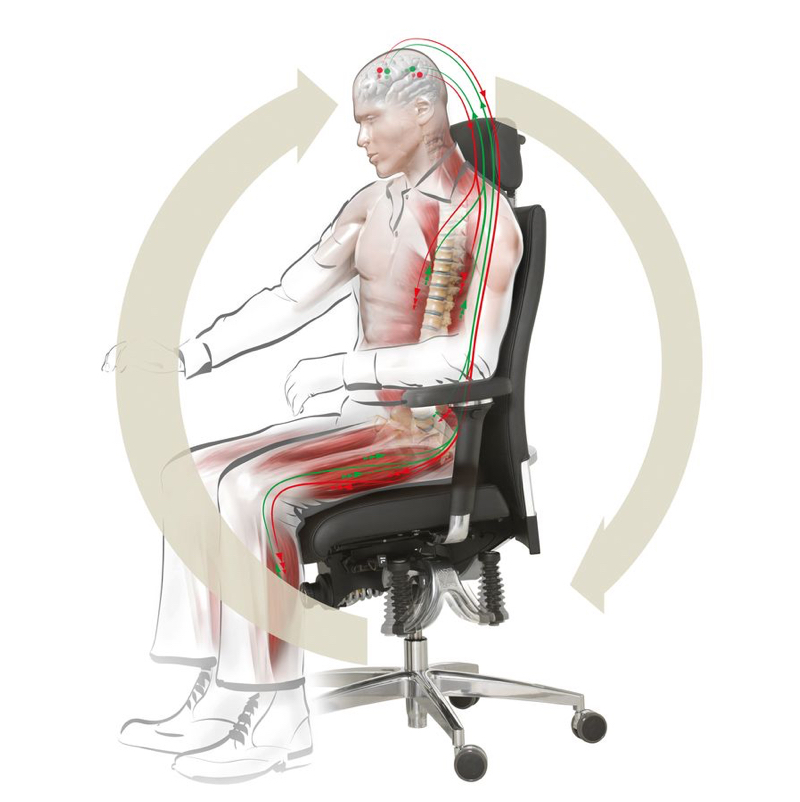
One of the biggest misconceptions is that a softer chair automatically provides better support. In reality, sitting on thick foam for hours without moving can still place continuous pressure on the spine and surrounding muscles. Modern ergonomics focuses less on creating a perfectly fixed sitting position and more on allowing the body to move naturally. Movement helps activate muscles, improve circulation and reduce prolonged loading on the same areas of the body. This is why dynamic sitting has become an increasingly important part of workplace ergonomics.
Features Worth Looking For
If you’re investing in an ergonomic office chair, consider features that genuinely improve long-term comfort rather than simply adding more adjustment levers.
Important features include:
- Adjustable seat height
- Adjustable seat depth
- Dynamic backrest support
- Proper lumbar support
- Adjustable armrests
- High-quality breathable materials
- A movement mechanism that follows your body naturally
These features help the chair adapt to you—not the other way around.
How BIOSWING Approaches Ergonomics
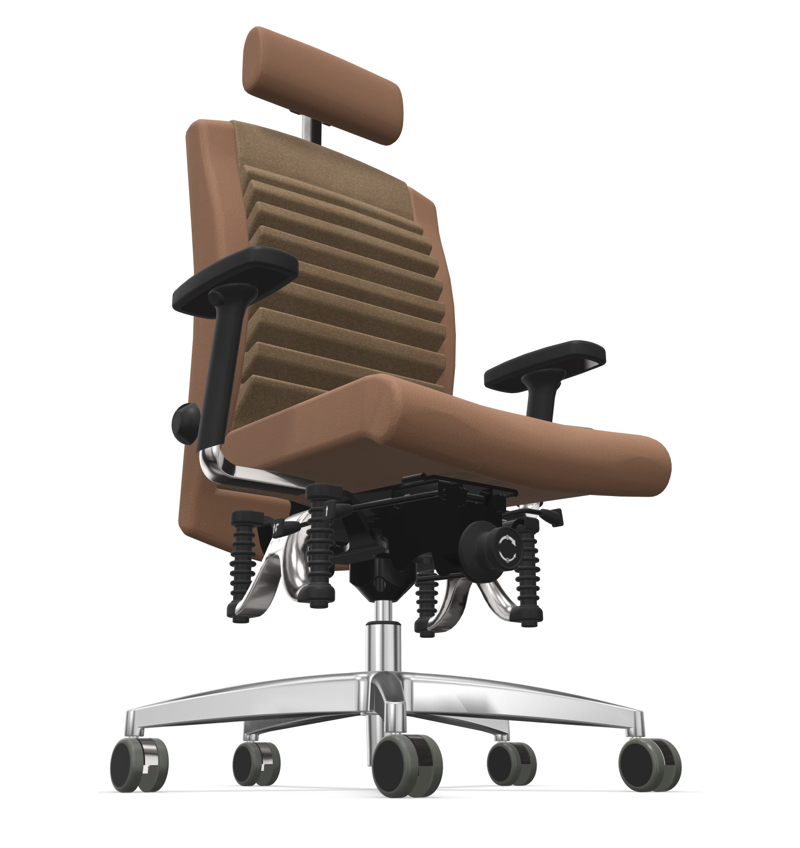
BIOSWING chairs are built on a different philosophy from many conventional office chairs. Instead of focusing solely on adjustability, BIOSWING integrates an adaptive movement system that responds to the body’s natural balance and micro-movements. This allows the chair to move with the user, helping maintain gentle muscle activity while supporting healthy posture. Rather than encouraging you to sit perfectly still, BIOSWING encourages your body to do what it was designed to do—move.
Investing in Long-Term Comfort
A chair is one of the most frequently used pieces of equipment in any workplace. Choosing the right one isn’t simply about appearance or price—it’s about how well it supports your body over thousands of working hours. A well-designed ergonomic chair can help improve comfort, encourage movement and contribute to healthier sitting habits that benefit you for years to come.
Written by BIOSWING in Baltic & Nordic Countries
Ergonomic seating specialists for the Baltic and Nordic countries.
Our articles combine practical workplace ergonomics, current research and over 40 years of BIOSWING movement technology experience to help people create healthier workplaces.