
Active Sitting Explained: Why Movement Is the Key to a Healthy Spine
Most people spend between seven and ten hours sitting every day. Whether you’re working in an office, at home, studying or attending meetings, sitting has become an unavoidable part of modern life.
Yet sitting itself isn’t necessarily the problem.
The real issue is remaining completely still for long periods of time.
Our bodies were designed for movement. Every joint, muscle and spinal disc depends on regular motion to stay healthy. When movement stops, muscles become inactive, circulation slows, posture gradually collapses and pressure builds throughout the spine.
This is where active sitting offers a smarter solution.
What Is Active Sitting?
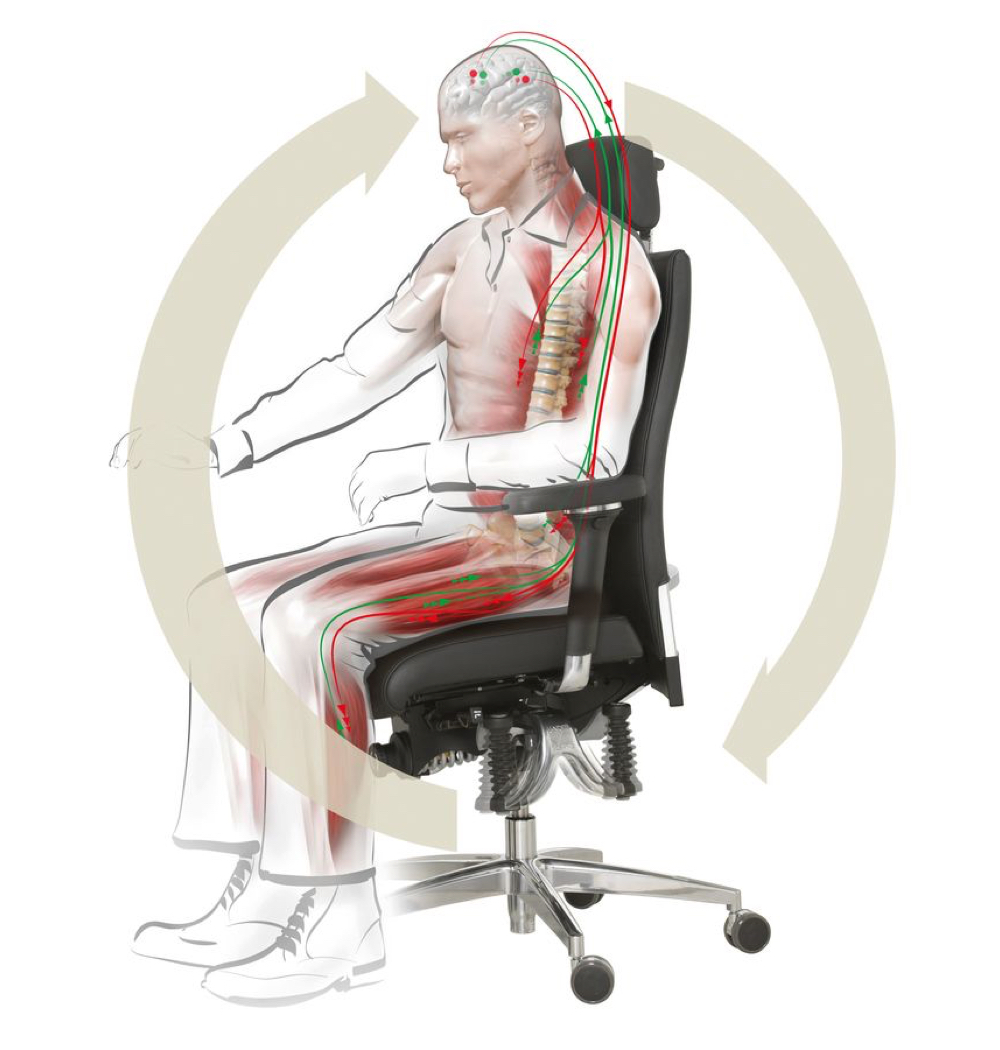
Active sitting is an ergonomic approach that encourages your body to keep making small, natural movements while you remain seated.
Instead of locking your pelvis and spine into one rigid position, an active chair allows gentle movement in multiple directions. These continuous micro-movements help your body constantly adjust its posture without interrupting your work.
Rather than forcing you to remember to “sit up straight,” an active chair works with your body, encouraging healthier movement naturally throughout the day.
Why Static Sitting Can Lead to Discomfort
Traditional office chairs often prioritize stability over movement. While they may feel comfortable at first, they encourage the body to remain in one position for extended periods.
Over time this may contribute to:
- Lower back discomfort
- Neck and shoulder tension
- Reduced circulation
- Muscle fatigue
- Poor posture
- Reduced concentration
- Increased physical stiffness
Even an expensive office chair cannot fully compensate if your body remains motionless for hours.
Movement—not simply cushioning—is one of the most important factors in healthy sitting.
How Active Sitting Works
Active sitting doesn’t involve constant large movements or bouncing. Instead, the chair follows your body’s natural balance through subtle three-dimensional movement.As you lean slightly forward to type, reach for your mouse, answer the phone or turn toward a colleague, the seating system adapts smoothly to your movements.
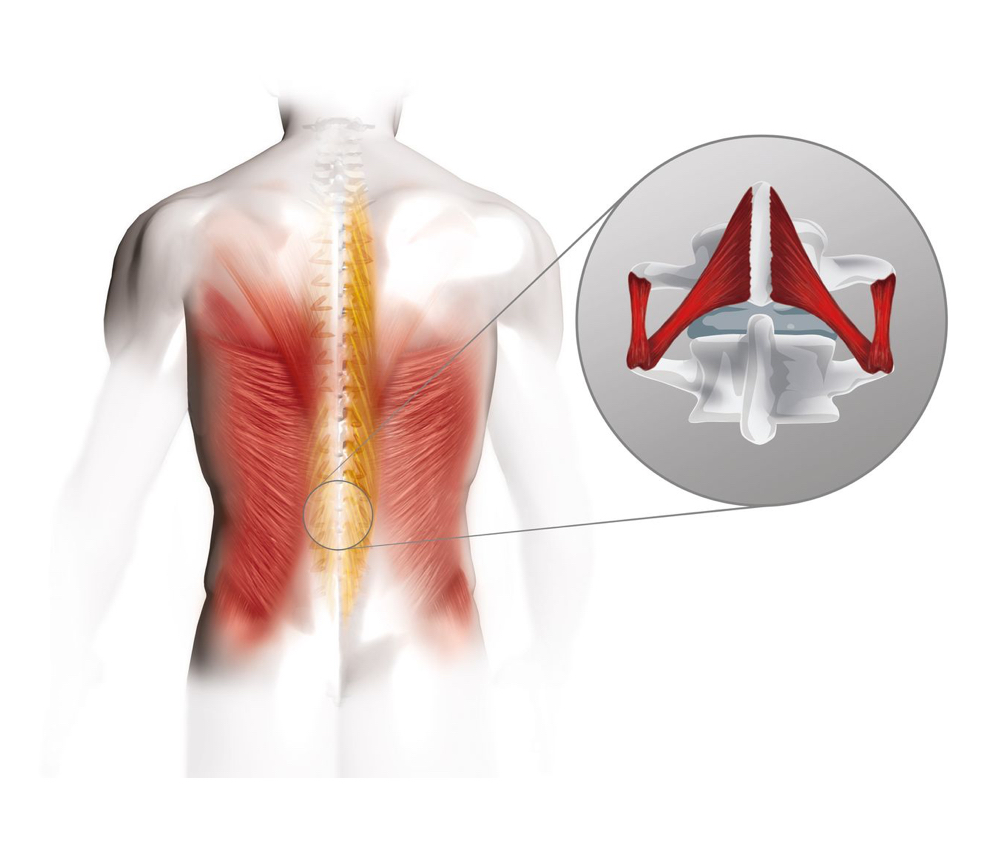
These small adjustments continuously engage stabilising muscles around your:
- Lower back
- Abdomen
- Pelvis
- Hips
- Core
Because these muscles stay gently active, your body doesn’t become as stiff or fatigued during long work sessions.
The Benefits of Active Sitting
Regular movement while sitting can provide several important benefits.
Better Posture
Instead of forcing one “perfect” posture, active sitting encourages your body to make frequent posture changes throughout the day.
This helps reduce prolonged loading on individual muscles and joints.
Improved Comfort
Pressure is distributed more evenly because your body never remains completely fixed in one position.
Many users experience less stiffness during long working days.
Increased Muscle Activity
Your deep stabilising muscles remain gently engaged, supporting the spine without conscious effort.
Better Circulation
Small body movements help stimulate blood flow, which may reduce feelings of fatigue and discomfort during prolonged sitting.
Greater Focus
Many people report improved concentration when they remain physically comfortable throughout the workday.
Who Can Benefit from Active Sitting?
Active sitting is suitable for a wide range of professions and working environments, including:
- Office professionals
- Remote workers
- Executives
- Architects and designers
- Healthcare professionals
- Dentists
- Engineers
- Students
- Anyone spending long hours at a desk
Whether you work from home or in a corporate office, introducing movement into your daily routine can make a noticeable difference over time.
Active Sitting Is More Than an Ergonomic Trend
Modern ergonomics has shifted away from the idea that perfect posture alone prevents discomfort.
Today’s understanding focuses on postural variation—regularly changing position throughout the day.
The best posture is often considered to be the next posture.
Active sitting supports exactly this principle by encouraging continuous, natural movement instead of prolonged static positioning.
How BIOSWING Supports Active Sitting
BIOSWING ergonomic chairs are designed around one simple idea: The human body functions best when it keeps moving. Unlike conventional office chairs that mainly adjust height or backrest angle, BIOSWING integrates an intelligent adaptive movement system that responds to your body’s natural balance. The result is a seating experience that feels dynamic rather than rigid.
Instead of sitting on the chair, you move with it. This helps create a healthier and more natural sitting experience throughout the working day.

Small Movements Can Make a Big Difference
Improving your workplace ergonomics isn’t always about making dramatic changes. Sometimes, the biggest improvement comes from restoring something your body has always needed: movement. By replacing static sitting with continuous natural motion, active sitting can help improve comfort, support healthier posture and make long working days feel less physically demanding. If you spend much of your day seated, choosing a chair that moves with you could be one of the simplest investments you make in your long-term wellbeing.
Written by BIOSWING in Baltic & Nordic Countries
Ergonomic seating specialists for the Baltic and Nordic countries.
Our articles combine practical workplace ergonomics, current research and over 40 years of BIOSWING movement technology experience to help people create healthier workplaces.